
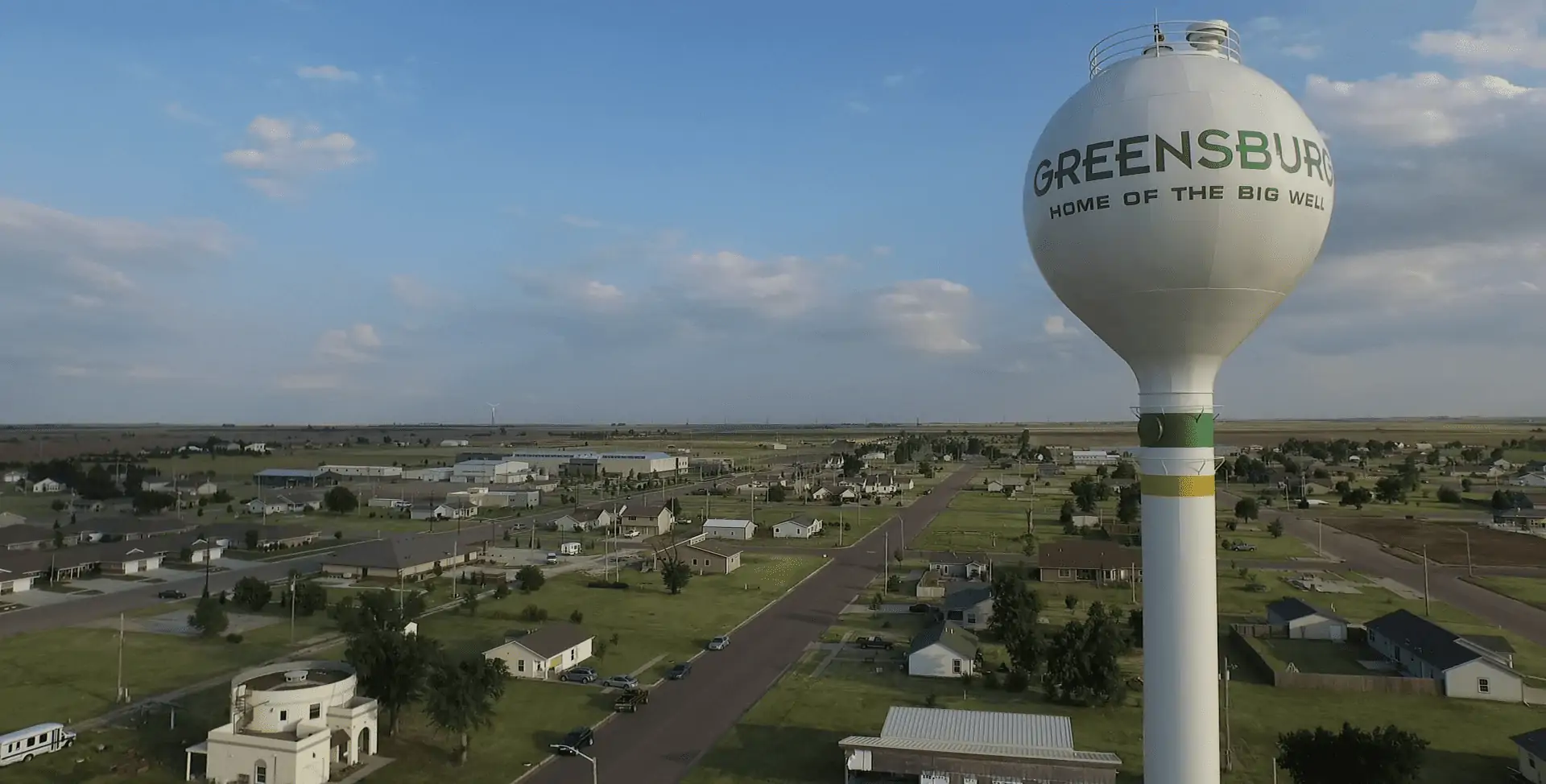
Greensburg Kansas is a small yet remarkable city located in Kiowa County, in the south-central part of the state. With a population of just under 800 residents, the town might look like any other rural community at first glance. However, Greensburg Kansas is unlike any other place in the United States. Known for its tragic past and incredible rebirth, the city has become a global example of resilience, innovation, and sustainability.
In this article, we’ll take a detailed look at the history, culture, economy, and future of Greensburg Kansas, while also exploring how this small town has become a leader in green energy and eco-friendly development.
A Brief History of Greensburg Kansas
Greensburg Kansas was founded in 1886 and named after D.R. “Cannonball” Green, a stagecoach driver who played a vital role in bringing settlers to the area. Like many towns in Kansas, it thrived as a small agricultural hub, where farming and ranching were the backbone of the economy.
The city quickly became known for one of its most unusual landmarks—the Big Well, which was dug in 1887 as the world’s largest hand-dug well. This engineering marvel, measuring 109 feet deep and 32 feet in diameter, became a major tourist attraction and symbol of the town’s hardworking spirit.
For decades, Greensburg Kansas remained a quiet agricultural community with a close-knit population. Life revolved around farming, schools, churches, and local businesses, much like many small Midwestern towns. But everything changed on May 4, 2007, when one of the deadliest tornadoes in U.S. history struck the town.
The 2007 Tornado: Tragedy That Changed Everything
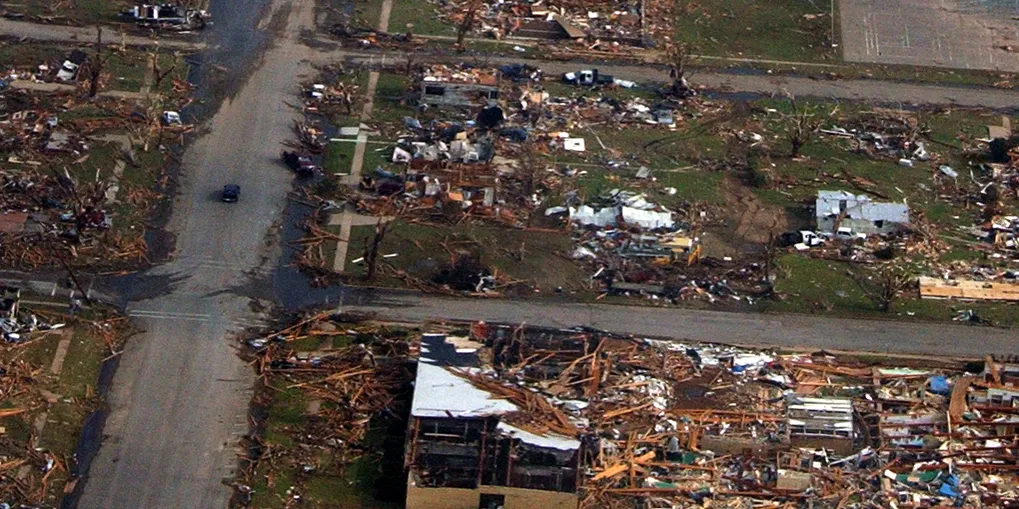
On the evening of May 4, 2007, an EF5 tornado—the highest rating on the Enhanced Fujita scale—tore through Greensburg Kansas. The tornado was nearly 1.7 miles wide and packed winds of over 200 miles per hour. In just minutes, 95% of the town was destroyed. Homes, businesses, schools, and public buildings were reduced to rubble. Tragically, 11 people lost their lives, and nearly every resident was displaced.
The devastation was overwhelming, but instead of giving up, the people of Greensburg Kansas made a bold decision: to rebuild their town in a way that honored their resilience and embraced the future.
The Green Rebirth of Greensburg Kansas
After the tornado, city leaders and residents came together with a shared vision—to rebuild Greensburg Kansas as a model “green” town. This bold choice would make it one of the first cities in the United States to be completely rebuilt with sustainability at its core.
Key Aspects of the Green Rebuild:
- LEED-Certified Buildings
Nearly every public building in Greensburg Kansas was rebuilt to meet LEED Platinum standards, the highest rating for energy efficiency and sustainability. Schools, hospitals, city halls, and even private homes were designed with renewable energy and eco-friendly materials. - Wind Energy
Greensburg Kansas now generates 100% of its electricity from renewable wind power. The city’s wind turbines not only supply energy to local residents but also feed excess power into the regional grid. - Energy-Efficient Homes
Private homeowners embraced energy-efficient designs, from solar panels to geothermal heating systems. Many homes were rebuilt with recycled materials and designed to withstand extreme weather conditions. - Water Conservation
Considering Kansas’s climate, water conservation was crucial. Greensburg adopted systems for rainwater collection and implemented water-efficient landscaping practices. - Community Involvement
The success of the green rebuild was due to community involvement. Residents were not only consulted but also educated about green living, making them active participants in the town’s future.
Greensburg Kansas Today
Nearly two decades after the tornado, Greensburg Kansas is thriving as a national and international symbol of sustainability. The town’s transformation has attracted tourists, environmentalists, urban planners, and researchers from around the world.
Key Features of Modern Greensburg Kansas:
- The Big Well Museum: Rebuilt after the tornado, the Big Well Museum tells the story of the town’s history, the tornado’s devastation, and the green rebuilding efforts. Visitors can also descend into the historic hand-dug well.
- The Kiowa County Schools: The school district rebuilt its facilities to meet LEED Platinum standards, offering students a state-of-the-art education in a healthy, sustainable environment.
- Business Growth: Small businesses have returned to Greensburg, many operating in eco-friendly buildings. The town also attracts entrepreneurs interested in renewable energy and sustainability ventures.
- Tourism: Greensburg Kansas has become a destination for eco-tourism. Visitors come to learn about the town’s green initiatives, see its wind farms, and experience its unique history.
Cultural and Social Life in Greensburg Kansas
Despite its small size, Greensburg Kansas has a vibrant community spirit. Events like the Kiowa County Fair, farmers’ markets, and local festivals bring residents together. The town has also embraced art and culture as part of its renewal, with public art installations reflecting themes of resilience and sustainability.
Local churches, civic organizations, and volunteer groups play a major role in keeping the town close-knit. For many residents, faith and community were crucial in the recovery process after the tornado.
Economy of Greensburg Kansas
Historically, agriculture has been the backbone of Greensburg Kansas’s economy. Wheat, corn, and sorghum farming continue to be important, along with cattle ranching. However, since the rebuild, renewable energy has emerged as a new pillar of the local economy.
The city’s wind energy initiatives not only provide jobs but also bring in revenue from energy production. Additionally, eco-tourism and visitors interested in sustainability contribute to local businesses, restaurants, and lodging.
Education in Greensburg Kansas
The education system in Greensburg Kansas is small but progressive. The unified school district offers K-12 education in state-of-the-art green facilities. The schools are energy efficient, filled with natural light, and designed to provide a safe and inspiring environment.
Students also benefit from hands-on education about sustainability, agriculture, and renewable energy—skills that are highly relevant to the town’s identity and future.
Why Greensburg Kansas Matters
Greensburg Kansas is more than just a small town that survived a natural disaster. It is a blueprint for sustainable living in the modern world. By choosing to rebuild in an environmentally responsible way, the city proved that even small rural communities can lead the way in renewable energy and eco-friendly development.
Its story resonates globally, inspiring cities and towns to think differently about disaster recovery, climate change, and sustainable growth.
Future of Greensburg Kansas
Looking ahead, Greensburg Kansas continues to expand its green initiatives. Plans for more advanced renewable energy projects, sustainable agriculture practices, and eco-tourism development are on the horizon.
The town’s vision is to remain a living laboratory for sustainability, showing how communities can thrive in harmony with the environment while preserving their cultural identity.
Conclusion
Greensburg Kansas is a powerful reminder that out of tragedy can come triumph. Destroyed by one of the deadliest tornadoes in U.S. history, the town rebuilt itself not just to survive but to thrive as a leader in sustainability. Today, Greensburg Kansas stands as a symbol of resilience, innovation, and community spirit.
For those interested in green living, renewable energy, and small-town resilience, Greensburg Kansas is a must-visit destination and a source of inspiration for the world.
FAQs About Greensburg Kansas
Q1: Where is Greensburg Kansas located?
Greensburg Kansas is located in Kiowa County, in south-central Kansas, about 110 miles west of Wichita.
Q2: What is Greensburg Kansas famous for?
It is famous for the Big Well, the world’s largest hand-dug well, and for being the first U.S. city to rebuild as a fully green and sustainable community after the 2007 tornado.
Q3: How was Greensburg Kansas rebuilt after the tornado?
The town was rebuilt with a commitment to sustainability, including LEED-certified buildings, renewable wind energy, water conservation systems, and energy-efficient homes.
Q4: Does Greensburg Kansas run entirely on renewable energy?
Yes, Greensburg Kansas generates 100% of its electricity from wind power.
Q5: Can tourists visit Greensburg Kansas?
Yes, tourists are welcome. Visitors can explore the Big Well Museum, see the wind turbines, and learn about the town’s green rebuilding efforts.
Q6: How many people live in Greensburg Kansas today?
As of recent estimates, the population is around 750–800 residents.
Q7: What industries drive Greensburg Kansas’s economy?
Agriculture, renewable energy, eco-tourism, and small businesses are the main industries.
Read Also: Greensburg Kansas
[…] Read Also: Jayden Higgins […]