
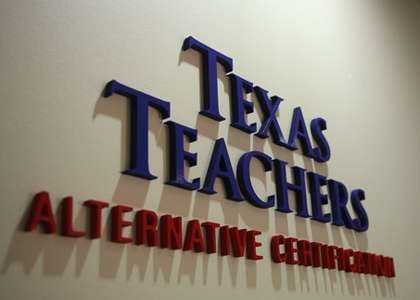
Becoming a teacher is one of the most rewarding career paths, but not everyone follows the traditional route of earning an education degree in college. For individuals who already hold a bachelor’s degree in another field but still feel a calling to teach, alternative certification programs are a gateway into the profession. One of the most recognized names in this field is Texas Teachers of Tomorrow. This program has become one of the largest alternative certification providers in Texas, helping thousands of individuals transition into the classroom.
This article provides an in-depth look at Texas Teachers of Tomorrow, its structure, requirements, benefits, challenges, and how it shapes the future of Texas education.
What is Texas Teachers of Tomorrow?
Texas Teachers of Tomorrow is an alternative certification program (ACP) designed for aspiring educators who did not major in education during their undergraduate studies but still want to become certified teachers. The program offers a flexible pathway to teacher certification while allowing candidates to start teaching relatively quickly compared to traditional university programs.
Founded in 2005, Texas Teachers of Tomorrow has grown significantly and now serves as one of the leading providers of teachers for Texas schools. It operates with the goal of addressing teacher shortages by preparing qualified professionals from diverse academic and professional backgrounds.
Why Texas Needs Alternative Certification Programs
Texas has consistently faced teacher shortages, especially in high-demand subject areas like math, science, bilingual education, and special education. Public schools often struggle to recruit certified teachers who are both qualified and passionate about education.
This is where programs like Texas Teachers of Tomorrow come in. They provide schools with a steady pipeline of teachers while also giving professionals a new career option.
Key reasons Texas benefits from this program include:
- Filling vacancies quickly in shortage areas.
- Encouraging diversity by welcoming professionals from different backgrounds.
- Offering flexibility for working adults seeking a career change.
- Supporting rural and underserved districts that often face the greatest staffing challenges.
How Texas Teachers of Tomorrow Works
Step 1: Admission Requirements
To qualify for Texas Teachers of Tomorrow, candidates must:
- Hold a bachelor’s degree with a minimum GPA (usually 2.5 or higher).
- Submit transcripts for review.
- Pass an initial screening process.
Step 2: Training and Coursework
Once admitted, candidates complete online coursework covering topics like pedagogy, classroom management, lesson planning, and child development. The online model allows participants to learn at their own pace.
Step 3: Testing Requirements
Candidates must pass state-mandated exams, including:
- Texas Examinations of Educator Standards (TExES) for their subject area.
- The Pedagogy and Professional Responsibilities (PPR) exam, which tests teaching knowledge.
Step 4: Internship or Teaching Residency
Participants enter a teaching internship, often securing employment as the teacher of record in a Texas school. During this period, they receive mentoring and evaluations to ensure they are effectively managing the classroom.
Step 5: Full Certification
Upon completing all requirements and demonstrating competence, candidates receive their Texas teaching certificate, allowing them to continue teaching as fully licensed professionals.
Benefits of Texas Teachers of Tomorrow
- Flexibility – The program’s online training allows candidates to study while working full-time or managing family responsibilities.
- Affordability – Compared to graduate programs, Texas Teachers of Tomorrow is cost-effective. Payment plans are available, making it accessible to more people.
- Fast Entry into the Classroom – Many candidates start teaching within months of joining the program.
- High Support System – The program provides mentors, online resources, and personalized coaching.
- Diverse Candidate Pool – Professionals from engineering, healthcare, business, and military backgrounds bring unique perspectives into Texas classrooms.
Challenges and Criticisms
Like any program, Texas Teachers of Tomorrow has faced both praise and criticism. Some challenges include:
- High demand on new teachers – Balancing coursework, exams, and classroom responsibilities can be overwhelming.
- Retention issues – Some candidates leave teaching within a few years due to stress or lack of preparation.
- Criticism from traditional educators – University-based teacher preparation programs sometimes argue that alternative certification produces teachers who are less prepared.
- Accountability concerns – There have been debates about oversight and the effectiveness of alternative programs compared to traditional routes.
Despite these challenges, the program continues to adapt and evolve to meet state requirements and school district needs.
The Role of Texas Teachers of Tomorrow in Solving Teacher Shortages
Teacher shortages are a national issue, but Texas faces unique challenges due to its large and growing student population. Programs like Texas Teachers of Tomorrow provide an immediate solution by ensuring that qualified individuals can enter the profession without spending years in additional schooling.
By recruiting from diverse professional backgrounds, the program enriches Texas classrooms with teachers who bring real-world experience and different perspectives into education. For example:
- A former engineer teaching math can bring practical problem-solving skills.
- A bilingual professional can support language development in dual-language programs.
- A business professional can teach economics or career and technical education (CTE) with industry expertise.
Who Should Consider Texas Teachers of Tomorrow?
The program is ideal for individuals who:
- Already hold a bachelor’s degree in any field.
- Want to change careers into teaching.
- Prefer a flexible, affordable pathway instead of returning to college full-time.
- Are passionate about making a difference in students’ lives.
- Are open to teaching in shortage subject areas or rural districts.
Texas Teachers of Tomorrow vs. Other Certification Routes
- Traditional University Programs: Require full-time study, more expensive, but provide deeper academic preparation.
- Other Alternative Certification Programs: Similar structure but may not have the same scale, support, or recognition as Texas Teachers of Tomorrow.
- Emergency Certifications: Allow individuals to teach temporarily, but without long-term stability.
Texas Teachers of Tomorrow stands out due to its scale, flexibility, and proven track record of placing thousands of teachers into Texas classrooms each year.
Success Stories from Texas Teachers of Tomorrow
Many graduates of the program go on to build long and impactful teaching careers. For instance:
- A military veteran transitioned into teaching history and now leads his school’s social studies department.
- A former nurse became a health science teacher, preparing high school students for medical careers.
- An engineer found new purpose teaching algebra in a high-needs district.
These success stories demonstrate the program’s ability to transform lives — both for teachers and their students.
The Future of Texas Teachers of Tomorrow
As Texas continues to grow in population, the demand for teachers will only increase. Alternative certification programs like Texas Teachers of Tomorrow will remain crucial in meeting this demand. The program is also adapting by:
- Expanding subject area training.
- Improving online learning platforms.
- Strengthening partnerships with school districts.
- Enhancing support for teacher retention beyond the first few years.
Conclusion
Texas Teachers of Tomorrow has emerged as a powerful solution to the state’s teacher shortage while opening doors for individuals passionate about education. By offering flexibility, affordability, and fast-track certification, the program has become a lifeline for Texas schools and a life-changing opportunity for career changers.
While challenges exist, the impact of the program is undeniable. It has brought thousands of dedicated professionals into classrooms where they inspire and guide the next generation of Texans. For anyone considering a career in teaching without a traditional education degree, Texas Teachers of Tomorrow provides a practical and respected pathway.
FAQs About Texas Teachers of Tomorrow
1. Is Texas Teachers of Tomorrow a legitimate program?
Yes. It is state-approved and one of the largest alternative certification providers in Texas.
2. How long does it take to get certified through Texas Teachers of Tomorrow?
The timeline varies, but many candidates begin teaching within a few months and achieve full certification within one year.
3. What is the cost of Texas Teachers of Tomorrow?
Costs are lower than university-based programs, and payment plans are available. Exact fees depend on the certification area and program requirements.
4. Can I teach while completing the program?
Yes. Candidates often secure teaching positions as interns while completing coursework and exams.
5. Do I need a teaching degree to enroll?
No. A bachelor’s degree in any field is sufficient, though some subject areas require specific coursework.
6. Is support provided once I start teaching?
Yes. Candidates receive mentoring, online support, and evaluations throughout their internship.
Read Also: Texas Teachers of Tomorrow
[…] Read Also: Tesla Stock Prediction 2025 […]