
The phrase “the more you know” is one of the most powerful and thought-provoking expressions in modern language. It emphasizes the endless journey of acquiring wisdom and understanding how knowledge directly influences personal growth, decision-making, and even society as a whole. This phrase became especially famous due to NBC’s public service campaign launched in 1989, which used the slogan to promote education, awareness, and community engagement.
Over time, “the more you know” has gone beyond its origins and transformed into a cultural motto, reminding people that continuous learning leads to empowerment. In today’s fast-paced digital world, where information is constantly evolving, the importance of knowledge has never been more significant.
This article explores the origins, meaning, applications, and modern relevance of the more you know, along with practical ways to integrate its wisdom into your personal and professional life.
The Origin of “The More You Know”
The phrase gained mainstream recognition when NBC introduced a campaign in the late 1980s. The goal was simple: spread educational and socially valuable messages to the public through short commercials aired during prime-time slots.
Each public service announcement (PSA) featured celebrities, actors, or public figures delivering an educational message. At the end of each message, the star icon and the phrase “The More You Know” would appear, followed by a signature musical jingle.
The campaign covered a wide range of topics, such as:
- Promoting literacy and reading habits.
- Encouraging kindness and inclusion.
- Raising awareness about drug abuse, mental health, and bullying.
- Highlighting civic duties, such as voting and community involvement.
Over the years, “the more you know” became more than a campaign—it evolved into a mindset about valuing education, awareness, and responsibility.
The Deeper Meaning Behind “The More You Know”
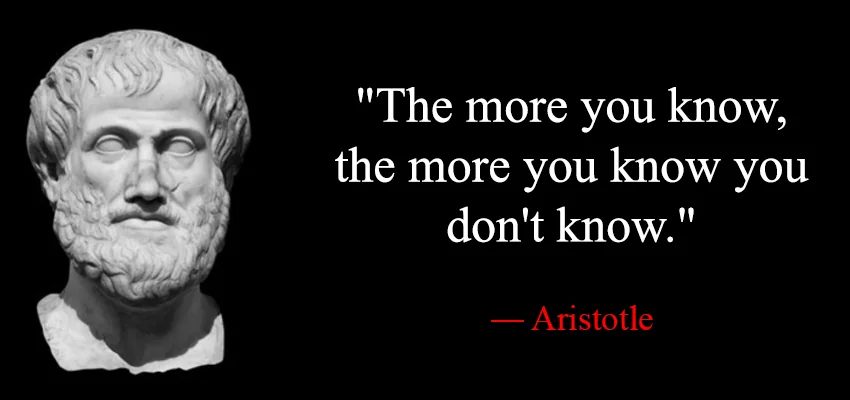
At its core, the phrase highlights the endless cycle of curiosity and knowledge. Each time you learn something new, you gain perspective, awareness, and sometimes, even humility. Here are key interpretations of its meaning:
1. Knowledge as Empowerment
Knowledge gives individuals the tools to make informed decisions. From choosing a career to making lifestyle choices, the more you know, the better your ability to evaluate situations critically.
2. Awareness of Responsibility
With greater knowledge comes greater responsibility. Being aware of social, environmental, and cultural issues allows individuals to make choices that positively impact society.
3. Humility in Learning
Paradoxically, the more you learn, the more you realize how much you don’t know. This humility keeps people grounded and motivates continuous self-improvement.
4. Growth Through Curiosity
The phrase also celebrates curiosity. Every piece of new knowledge opens doors to more questions, creating a lifelong cycle of exploration and growth.
The Role of “The More You Know” in Modern Society
In today’s information-driven era, the phrase has gained even more significance. It resonates across multiple aspects of life:
1. Education and Lifelong Learning
In schools and universities, “the more you know” reminds students that education is not just about grades—it’s about broadening horizons. Lifelong learning, through books, online courses, or hands-on experiences, is now a global expectation.
2. Career and Professional Development
In workplaces, professionals understand that knowledge leads to innovation and advancement. Whether it’s adapting to new technologies, understanding market trends, or mastering soft skills, the more you know directly affects career growth.
3. Personal Development
On an individual level, knowledge enriches life. It fosters empathy, improves communication, and develops problem-solving skills. Learning about different cultures or philosophies can help individuals embrace diversity and think globally.
4. Technology and Digital Literacy
The internet provides access to vast amounts of knowledge. However, misinformation also spreads rapidly. In this context, “the more you know” becomes a reminder to fact-check, verify sources, and seek truth before forming opinions.
Popular Culture and “The More You Know”
The phrase has been parodied and referenced in countless TV shows, movies, and internet memes. While sometimes humorous, these references highlight how deeply ingrained the slogan has become in American and global culture.
- Television and Comedy: Shows like Saturday Night Live and The Simpsons have spoofed the campaign, showing its cultural impact.
- Internet Memes: Online, the iconic rainbow star and slogan are often used sarcastically to highlight obvious facts or share trivia.
- Education Campaigns: Organizations and schools often adopt the slogan in their own campaigns to inspire curiosity among students.
Even with its humorous parodies, the phrase still retains its original power to inspire learning and reflection.
Why “The More You Know” Still Matters Today
The timelessness of the slogan lies in its adaptability. As the world changes, knowledge remains the key to navigating challenges. Here are reasons why it still matters:
- Combatting Misinformation: In an age of fake news, critical thinking and verified knowledge are essential.
- Promoting Inclusivity: Learning about different perspectives fosters empathy and acceptance.
- Driving Innovation: Knowledge fuels creativity, leading to technological and social breakthroughs.
- Personal Empowerment: From financial literacy to health awareness, knowledge empowers individuals to live better lives.
Practical Ways to Apply “The More You Know”
To embody the philosophy of “the more you know,” here are practical steps:
1. Read Regularly
Books, articles, and research papers are timeless sources of wisdom. Even dedicating 20 minutes a day to reading can transform perspectives.
2. Engage in Conversations
Talking to people from different backgrounds exposes you to new ideas and experiences.
3. Take Online Courses
With platforms like Coursera, Udemy, and Khan Academy, learning has never been more accessible.
4. Fact-Check Information
Before sharing news or forming strong opinions, verify the authenticity of information.
5. Stay Curious
Ask questions. The habit of curiosity leads to unexpected discoveries.
6. Reflect on Learning
Don’t just collect information—apply it in your daily life for personal and social growth.
Criticism and Challenges
While the phrase is universally appreciated, some critics argue that simply “knowing” isn’t enough. Action matters more than information. Without applying knowledge, it loses meaning. Additionally, in today’s world of information overload, knowing too much without filtering relevance can create confusion.
However, the balance lies in acquiring meaningful knowledge and applying it purposefully.
Conclusion
The phrase “the more you know” is more than a slogan; it is a life philosophy. Originating as a public service message, it has become a universal reminder that knowledge is power, awareness builds responsibility, and curiosity fuels growth.
In a rapidly evolving world, the ability to keep learning, questioning, and reflecting ensures not only personal success but also societal progress. Whether applied in education, careers, or everyday life, the message holds timeless value. Indeed, the more you know, the better prepared you are to live meaningfully and contribute positively to the world.
FAQs About “The More You Know”
Q1: Where did the phrase “the more you know” originate?
It originated from NBC’s 1989 public service campaign aimed at promoting education, awareness, and positive social values.
Q2: What does “the more you know” mean in everyday life?
It means that acquiring knowledge leads to empowerment, awareness, and the ability to make informed decisions.
Q3: Why is “the more you know” still relevant today?
Because in an age of misinformation and constant change, continuous learning helps people adapt and grow responsibly.
Q4: Is knowledge alone enough?
Knowledge is powerful, but applying it in real life is what creates meaningful impact.
Q5: How can I live by the motto “the more you know”?
Stay curious, read often, engage in meaningful conversations, verify information, and apply what you learn.
Read Also: The More You Know
[…] Read Also: Greensburg Kansas […]